
Bed Bugs
Everything You Need to Know About Bed Bugs — Friendly, Informative & Practical 🛏️🐜
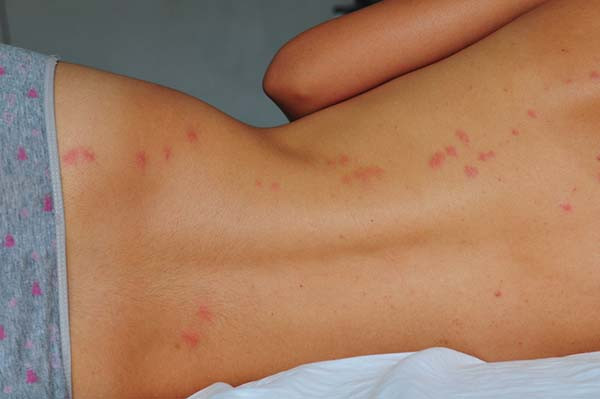
If you’ve woken up with mysterious red bites or noticed tiny dark spots on your sheets, you might be dealing with bed bugs. They’re small, elusive, and — once they sneak in — can be stubborn to get rid of. But with some know-how, patience, and the right approach, you can reclaim your home. This friendly guide will walk you through everything: what bed bugs are, how to spot them early, how to treat bites, and — importantly — how to eradicate them safely. Plus, we’ll explore why heat treatment is often the gold-standard solution and when it’s worth calling in professionals.
🔎 What Exactly Are Bed Bugs?
Biology & behaviour
-
Bed bugs are parasitic insects belonging to the genus Cimex. The most common species is Cimex lectularius. Wikipedia+1
-
Adults are typically 4–5 mm long (about the size of an apple seed), flat and oval-shaped, and mahogany-brown in colour — though after feeding, they may look darker, more reddish. Natural History Museum+1
-
Immature nymphs are smaller and lighter in colour and become browner as they grow. Natural History Museum+1
-
They feed exclusively on blood (human or sometimes pet) — mainly at night when we’re asleep. They detect hosts by warmth and carbon dioxide. Wikipedia+1
-
A single female bed bug can produce many eggs (and populations grow quickly), which helps explain why what seems like a small problem can escalate fast. Wikipedia+1
Why they’re such persistent “guests”
Because of their tiny size, flat shape, and ability to hide in cracks, seams, and crevices — not just mattresses, but also in bed frames, furniture, behind skirting boards, wallpaper edges, and even on clothing or luggage — bed bugs can remain undetected for a long time. nhs.uk+2Natural History Museum+2
They also survive long periods without feeding — in some cases several months — meaning that even if you leave home for a while, they could lie in wait. Wikipedia+1
Because of these traits, infestations can creep up slowly — often long before you even realise they’re there.
🛏️ Signs You Might Have a Bed Bug Infestation
Recognizing the signs early can make a huge difference. Here’s what to watch out for:
Skin bites — sometimes first sign
-
Bites often appear on areas of skin exposed while sleeping: arms, neck, face, legs. Patient+2Patient+2
-
The bite marks may look like small red or purplish bumps; sometimes raised and itchy, other times flat. On lighter skin tones, bites tend to be red or pink; on darker skin, they may appear purple or less obvious. Medical News Today+2Wikipedia+2
-
Common patterns are lines or clusters of bites — sometimes a zig-zag or a straight line of 2–4 bites. This happens because a bed bug may feed multiple times as it moves along. Medical News Today+2Patient+2
-
Itchy welts may appear shortly after being bitten — sometimes immediately, sometimes after a few days, depending on individual sensitivity. Medical News Today+1
-
Some people show no reaction at all, which is why bites alone are not a reliable indicator. Wikipedia+1
Because reactions vary a lot, don’t rely solely on bites. Check for other signs.
Physical evidence: what to look for
-
Small dark or rust-coloured spots (droppings), often on sheets, mattresses, bed frames, furniture — these are bed bug faecal stains. BAD Patient Hub+2Patient+2
-
Tiny blood spots on bedding or pillowcases — from crushed bugs or from bites that drew a little blood. Patient+1
-
Shed skins / exoskeletons — as bed bugs grow and molt, they leave behind skins that may collect in seams, cracks, or under furniture. Natural History Museum+1
-
Live bugs or eggs — adult bed bugs, nymphs, or eggs (tiny white specks) found in mattress seams, bed frame joints, headboards, or furniture cracks. Natural History Museum+2michigan.gov+2
-
Sometimes a musty or sweet/earthy smell in heavily infested rooms (though smell alone isn’t a reliable sign). Many people only confirm infestation by spotting actual bugs or droppings. michigan.gov+1
What they are not
-
Bed bugs are not a sign of dirty homes exclusively. They hitch rides — often via luggage, second-hand furniture, clothing, or public transport — so infestations can happen anywhere. Wikipedia+2michigan.gov+2
-
Their bites may be mistaken for bites from mosquitoes, fleas, or other insects. Similarly, skin reactions might look like rashes or dermatitis. That’s why finding bugs, eggs, or droppings is a much stronger confirmation than bites alone. CDC+2Patient+2
🩹 What to Do If You’ve Been Bitten — First Aid & Care
First, a little reassurance: bites from bed bugs are usually harmless in the long run, though annoying, itchy, and sometimes irritating. CDC+2Citizens Advice+2
Here are some safe, evidence-based steps:
-
Wash the bites with mild soap and water. This helps remove any saliva or irritants the bug left behind and reduces chance of infection. CDC+2City of Philadelphia+2
-
Avoid scratching — scratching may worsen itching and increase risk of skin infections. CDC+1
-
Calm the itch — apply a cool, damp cloth; over-the-counter antihistamine or mild steroid/anti-itch creams (if tolerated) may help. CDC+2Medical News Today+2
-
Keep the area clean — maintain good hygiene, avoid aggravating the skin, and keep nails short to reduce risk of secondary infection. Citizens Advice+1
-
Monitor for signs of infection or allergy — while rare, more severe reactions (blisters, intense swelling, allergic symptoms) can occur. If bites become infected or reactions worsen, seek medical advice. Newcastle City Council+2Medical News Today+2
Most infestations clear up in a week or two with appropriate skin care — but that only addresses bites. It doesn’t solve the underlying problem: the infestation itself.
🧹 How to Get Rid of Bed Bugs (And Keep Them Away)
Treating bed bug infestations effectively often requires a multifaceted approach. Simple cleaning or sprays alone often won’t do the trick. Here’s what works — and what to be careful of.
Why DIY chemical sprays can backfire
-
Many insecticides used for bed bug control (especially pyrethroids) are no longer reliably effective: bed bug populations worldwide have developed resistance. CDC+1
-
Misuse of insecticides — for example outdoor-grade sprays used indoors — can cause serious health risks for you and your family. in.gov+1
-
Even if such sprays kill some bugs, they often do not reach eggs or bugs hiding deep inside furniture, mattress seams, cracks, or inside walls, leading to re-infestation. michigan.gov+2polk.floridahealth.gov+2
Because of these issues, many experts now recommend non-chemical treatments — particularly heat or steam, combined with cleaning and prevention strategies. vdacs.virginia.gov+2purenvironmental.com+2
Why heat treatment is among the best solutions
Heat treatment — especially when professionally done — is considered one of the most effective methods for completely eradicating bed bugs. Here’s why:
-
Heat penetrates deep into mattresses, bed frames, furniture, curtains, carpets, walls — reaching bed bugs hiding where sprays can’t. Bed Bugs Be Gone Now+2vdacs.virginia.gov+2
-
Temperatures of about 50–55 °C (≈ 118–130 °F), maintained for long enough, kill all life stages: eggs, nymphs, adults. vdacs.virginia.gov+2Boulder County+2
-
It’s non-toxic, leaves no chemical residue or unpleasant smells, and avoids risks associated with pesticide misuse. vdacs.virginia.gov+1
-
Many treatment companies use specialised heating equipment to raise the temperature of an entire room (or flat/house) — effectively sanitising the space and eliminating bed bugs. cooperatornews.com+2vdacs.virginia.gov+2
That’s why services such as MothKill, which provide professional bed-bug heat treatment, are recommended — especially for significant or well-established infestations. You can check their specialised heat-treatment service here: https://www.mothkill.co.uk/bed-bugs-heat-treatment/
⚠️ A caveat: non-professional or partial heat treatments (e.g. just use of a household dryer on some items) — while helpful — may not always kill hidden eggs or bugs deep inside furniture or mattresses, and re-infestation may occur without follow-up cleaning and monitoring. dph.illinois.gov+2washcohealth.org+2
🧼 Practical Step-by-Step Guide to Eradicate Bed Bugs
Here’s a general plan many experts recommend. Depending on your home and infestation level, you may skip or adapt some steps — but thoroughness is key.
1. Confirm the infestation
-
Inspect your mattress seams, bed frame, headboard, furniture joints, skirting boards, behind pictures/wallpaper edges, inside drawers — using a flashlight. Look for live bed bugs, eggs (tiny white specks), shed skins, droppings (tiny dark/brown spots), or blood stains. Natural History Museum+2michigan.gov+2
-
Check any second-hand furniture, luggage, or recently acquired items — bed bugs often hitch rides. Wikipedia+1
2. Strip bedding & fabrics
-
Remove all bedding, sheets, pillowcases, duvet covers, mattress protectors, cushions, soft toys — anything that could harbour bugs or eggs.
-
Wash them at high heat — ideally ≥ 60 °C, if the fabrics permit. Then tumble-dry on high heat for at least 20–30 minutes. According to the U.S. Environmental Protection Agency (EPA), washing alone often isn’t enough. epa.gov+2washcohealth.org+2
-
Store cleaned items in sealed plastic bags or containers to avoid re-infestation. epa.gov+1
3. Clean, vacuum, and steam furniture & room
-
Vacuum mattress seams, bed frames, furniture, carpet, skirting boards, curtains, and crevices; pay special attention to picture-frames, drawers, behind socket covers — any narrow hiding place. Immediately seal and discard or wash the vacuum bag or contents outside. Gravesham Borough Council+2Patient+2
-
Steam-clean furniture, mattresses, curtains, sofas, and any soft or upholstered surfaces — steam (or hot vapor) can kill bed bugs and eggs on contact when done thoroughly. Wikipedia+2Healthline+2
-
Move and clean items from under beds, behind wardrobes, drawers, and behind/under furniture — bed bugs often hide away from direct heat or light.
4. For serious infestations: consider professional heat treatment
If you’re dealing with a widespread infestation (multiple rooms, lots of furniture, stubborn bugs, or repeated bite activity), hiring professionals — like MothKill — who specialise in whole-room heat treatment can save time and drastically increase success chances. Their equipment is designed to safely heat the entire living space to lethal temperatures for bed bugs. (See their service page: https://www.mothkill.co.uk/bed-bugs-heat-treatment/)
5. Seal & protect — mattress covers & monitoring
-
Once the treatment is done (whether DIY or professional), consider covering your mattress and box spring with a bed-bug–proof encasement — this traps any remaining or newly hatched bugs inside and prevents them from feeding, so they eventually die out. Many experts recommend this as part of an ongoing prevention strategy. Boulder County+2Gravesham Borough Council+2
-
Reduce clutter, seal cracks or gaps in walls, baseboards, and furniture — cut off hiding places.
-
Regularly inspect beds, furniture, luggage — especially after travel or bringing second-hand items into the home.
✅ Why Relying Only on Chemicals or DIY Sprays Can Be Risky
-
Bed bugs worldwide are increasingly resistant to commonly used insecticides (especially pyrethroid-based sprays), which means spraying might have little or no effect. CDC+2Stacks+2
-
Misuse of pesticides can pose health risks, especially if outdoor products are used indoors — exposure to toxic chemicals, inhalation hazards, allergic reactions, etc. in.gov+1
-
Even if some bugs are killed, pesticides rarely reach eggs tucked deep inside seams, walls, furniture or mattress — resulting in re-infestation. polk.floridahealth.gov+2michigan.gov+2
-
Over-relying on sprays may lead to a false sense of security while the infestation silently grows.
Because of this, mainstream guidance increasingly recommends integrated pest management: combining cleaning, heat/steam, physical removal, mattress encasements, and professional help when needed — rather than relying solely on chemical sprays. vdacs.virginia.gov+2purenvironmental.com+2
📚 Are Bed Bugs Dangerous? Health Risks & Myths
Good news: bed bugs are not known to transmit diseases. Several health authorities and scientific reviews have found no evidence linking bed bugs to bacterial, viral, or parasitic infections. Wikipedia+2CDC+2
However, that doesn’t mean they’re harmless. The main risks are:
-
Skin irritation, itching, and discomfort — bites can be itchy and irritating, with some people developing rashes or allergic reactions. Newcastle City Council+2Medical News Today+2
-
Secondary skin infections — if bites are scratched or not kept clean, bacteria can enter and cause infections. CDC+2Citizens Advice+2
-
Allergic reactions or asthma — in rare cases, exposure to bed bug droppings or remains can exacerbate allergies or trigger asthma. Newcastle City Council+1
-
Mental stress, anxiety, sleep disturbance — living with an infestation can cause worry, discomfort, insomnia, and general stress over time. Wikipedia+2michigan.gov+2
So while bed bugs aren’t vectors of disease like mosquitoes or ticks, they still pose real health and wellbeing drawbacks — enough to make prompt action worthwhile.
🛠️ When to Call Professionals (And What to Expect)
DIY methods sometimes work — especially for small, early infestations. But there are plenty of scenarios where calling a professional pest-control company makes sense:
-
Infestation is widespread: multiple rooms, many hiding spots, or problem persists despite DIY efforts
-
Heavy furniture, antiques, awkward spaces — where bed bugs could be hiding deep inside
-
People in the home are sensitive: children, elderly, pets, allergic or asthmatic individuals
-
You want a one-time, comprehensive treatment rather than ongoing effort
Professional companies often offer whole-room or whole-house heat treatments, using specialised equipment to raise living spaces to lethal temperatures for bed bugs, reaching even the most hidden spots. cooperatornews.com+2vdacs.virginia.gov+2
After treatment, they may advise:
-
Using mattress encasements
-
Sealing cracks and crevices
-
Monitoring over several months
-
Thorough cleaning, vacuuming, laundering — to catch any stray eggs or recently arrived bugs
That said: heat treatment isn’t a magic bullet. Its effectiveness relies heavily on proper preparation and thorough execution — clutter, loose laundry, or items blocking airflow can prevent heat from reaching all hiding places. dph.illinois.gov+2purenvironmental.com+2
🧠 How to Prevent Bed Bugs (Especially After Travel or Buying Furniture)
Prevention is often easier and cheaper than cure. Here are some smart habits to adopt:
-
When staying in hotels or B&Bs: inspect the mattress seams, headboard, and bedding for signs of bed bugs. If you see dark spots, droppings, or live bugs — choose another room or ask for a different room.
-
After travel: wash and dry laundry from your luggage at high heat as soon as you return. Seal luggage in plastic bags until cleaned, if possible.
-
When buying second-hand furniture, mattresses, or clothing: inspect carefully before bringing into your home. Bed bugs love second-hand items.
-
Use mattress and pillow encasements — especially if you occasionally host guests or have people stay over.
-
Reduce clutter, seal cracks in walls, skirting boards, behind sockets — fewer hiding places means less chance for them to settle.
-
Periodically vacuum beds, furniture, and soft furnishings — especially if you notice any suspicious bites or signs.
🌡️ Why Heat Treatment (and Services like MothKill) Are Gaining Popularity
As pesticides become less reliable due to resistance, and people grow more wary of chemical exposure, heat treatment is increasingly recognized as a safer, more effective solution for bed-bug eradication. vdacs.virginia.gov+2purenvironmental.com+2
Here’s why many pest-control professionals — and homeowners — opt for it:
-
It kills all life stages (eggs, nymphs, adults) in one go. vdacs.virginia.gov+2Boulder County+2
-
Non-toxic: no chemical residues, odors, or risk of poison exposure. vdacs.virginia.gov+2cooperatornews.com+2
-
Comprehensive: heat penetrates mattresses, furniture, carpets, walls — reaching bugs hidden from view or sprays. purenvironmental.com+1
-
Once done (and with good follow-up: encasements, cleaning, monitoring), risk of re-infestation is far lower than relying on sprays or partial DIY efforts.
That’s why I recommend considering a professional heat-treatment service if you suspect a real infestation — for example, a service like MothKill’s bed-bug heat treatment.
📝 Frequently Asked Questions (FAQ)
| Question | Answer |
|---|---|
| Do bed bugs spread diseases? | No — despite biting, bed bugs are not known to transmit infectious diseases. Wikipedia+2Stacks+2 |
| Can I kill bed bugs by washing bedding at 40 °C? | Unlikely. For bedding to reliably kill bugs/eggs, higher temperatures (≥ 60 °C) and tumble-drying on high are strongly recommended. epa.gov+2washcohealth.org+2 |
| Will a simple insecticide spray get rid of them? | Not reliably. Many bed bugs are resistant; sprays often don’t reach eggs or sheltered hiding spots. CDC+2michigan.gov+2 |
| How long until I’m safe after treatment? | If the treatment is thorough (especially a professional whole-room heat treatment), and you follow up with encasements and monitoring, the risk drops dramatically. But keep an eye on signs for several weeks/months. |
| What about freezing infested items? | Freezing can work — but must be done properly (sealed bag, sustained low temperature, long enough time). For large items or entire rooms, freezing is impractical. University of Minnesota Extension+2CDC+2 |
🏡 Real-Life Scenario: How One Household Beat Bed Bugs
Let’s imagine a typical case — maybe like yours or a friend’s:
-
First signs: A few itchy bites appear on arms and neck overnight. Bedding shows tiny rust-colored spots; a quick check reveals a couple of dark specks in mattress seams.
-
Identification: Using a flashlight, you spot a tiny oval, brown insect in a mattress seam. That’s your confirmation.
-
Initial action: Strip all bedding, wash at 60 °C, tumble-dry high. Vacuum mattress, bed frame, nearby furniture. Steam clean the mattress and sofa. Seal clean items in plastic bags.
-
Professional call: Because there was a suspicion of more bugs hiding in the furniture or walls, you call in a professional pest-control service and schedule a whole-room heat treatment.
-
Post-treatment: Once treatment is done, you encase the mattress and box spring in a bed-bug-proof cover, seal cracks and crevices, reduce clutter, and commit to regular inspection and vacuuming.
-
Follow-up: Over the next few months, occasionally inspect mattress seams, behind furniture, and inside closet/wardrobe — no signs appear. Bites stop. Relief!
Many households that tackle infestations this thoroughly succeed — though it takes patience, diligence, and sometimes investment.
🌟 Final Thoughts: Stay Clean, Stay Vigilant — and Don’t Panic
Bed bugs can be a nightmare — but they’re not invincible. With knowledge, quick action, and the right methods, you can beat them. If you spot bites or any sign of infestation, don’t ignore it. Early detection and prompt treatment dramatically improve your chances of success.
If you’re facing an infestation right now — or suspect you might be — I strongly recommend contacting a specialist like MothKill (https://www.mothkill.co.uk/bed-bugs-heat-treatment/) for a professional assessment. For smaller problems, combine vigilant cleaning, laundry, steaming, sealing, and monitoring.
Above all: privacy, clarity, confidence. Bed bugs don’t reflect on your cleanliness — they’re experts at sneaking in and hiding. What matters is how you respond. With the right approach, you can reclaim your home — and sleep soundly again.