Bed Bug Myths & Facts


Bed bugs are one of the most misunderstood household pests in the UK. For some people, the mere mention of them triggers panic, embarrassment, or denial. For others, misinformation leads to costly mistakes, failed DIY treatments, and infestations that quietly spiral out of control.
The problem isn’t just bed bugs themselves – it’s the myths surrounding them.
In this in-depth guide, we’ll break down the most common bed bug myths and facts, explain how infestations really start, and show why professional bed bug heat treatment is widely considered the most effective solution available today.
What Are Bed Bugs?
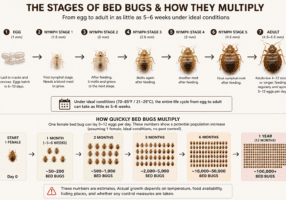
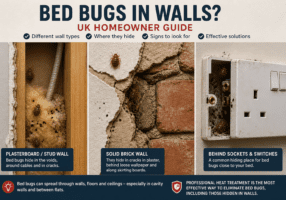
Bed bugs (Cimex lectularius) are small, flat, reddish-brown insects that feed exclusively on human blood. They are nocturnal, highly resilient, and exceptionally good at hiding. Despite their name, bed bugs don’t just live in beds – they can be found in sofas, wardrobes, skirting boards, carpets, electrical sockets, and even behind wallpaper.
Bed bug infestations are on the rise across the UK, particularly in urban areas with high levels of travel and rental turnover. Research from UK universities confirms that increased international travel and insecticide resistance are key factors contributing to their resurgence.
Why Bed Bug Myths Are So Harmful
Believing misinformation about bed bugs often results in:
- Delayed treatment
- Infestations spreading throughout a property
- Ineffective DIY control
- Increased stress and sleep disruption
- Higher costs in the long run
Let’s clear things up.
Myth 1: Only Dirty Homes Get Bed Bugs
Fact: Bed bugs have nothing to do with cleanliness.
This is one of the most persistent and damaging myths. Bed bugs are attracted to body heat and carbon dioxide, not dirt or mess. Clean homes, luxury hotels, hospitals, offices, and student accommodation can all be affected.
Public health guidance from the UK government confirms that bed bugs do not discriminate between clean and unclean environments:
👉 https://www.gov.uk/guidance/bed-bugs
👉 https://www.gov.uk/guidance/bed-bugs
Myth 2: Bed Bugs Only Live in Beds
Fact: Bed bugs hide in areas where humans spend time.
Although mattresses and bed frames are common hiding places, bed bugs also live in:
- Sofas and armchairs
- Bedside tables and drawers
- Skirting boards and cracks
- Carpets and rugs
- Plug sockets and wall voids.
Treating only the bed will almost always result in reinfestation.
Myth 3: You’ll Always Feel Bed Bug Bites
Fact: Many people never feel the bite.
Bed bugs inject a mild anaesthetic before feeding. Some people develop itchy red marks, while others show no visible reaction at all. This is why infestations often go unnoticed for weeks or even months.
The NHS confirms that reactions to bed bug bites vary significantly:
👉 https://www.nhs.uk/conditions/insect-bites-and-stings/
👉 https://www.nhs.uk/conditions/insect-bites-and-stings/
Myth 4: Bed Bugs Spread Diseases
Fact: Bed bugs are not known to transmit diseases in the UK.
While bed bugs are unpleasant, they are not considered disease carriers. However, scratching bites can lead to secondary infections, and infestations are linked to anxiety, sleep deprivation, and stress.
Research from UK universities has highlighted the mental health impact of prolonged infestations, particularly in shared housing and rental properties.
Myth 5: DIY Sprays Will Get Rid of Bed Bugs
Fact: Most DIY treatments fail.
Over-the-counter sprays usually kill only on contact and do not penetrate deep hiding spots or destroy eggs. Many bed bugs are resistant to common insecticides, a problem well documented by UK entomology departments.
DIY treatments often:
- Miss hidden bugs
- Leave eggs untouched
- Push bed bugs deeper into walls.
- Spread infestations to other rooms.
Myth 6: Throwing Away Furniture Solves the Problem
Fact: Disposing of furniture without treatment can spread bed bugs.
Bed bugs live in cracks and crevices around furniture, not just inside it. Local councils warn that improperly discarding infested items is a major cause of bed bug spread in flats and terraced housing.
Myth 7: Bed Bugs Only Come from Foreign Travel
Fact: Bed bugs are now widespread across the UK.
Although travel increases risk, bed bugs are commonly picked up from:
- UK hotels and Airbnbs
- Trains and public transport
- Cinemas and offices
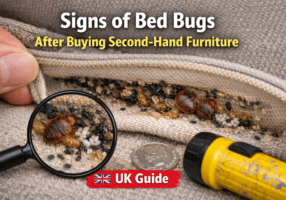
- Second-hand furniture
Domestic exposure is now just as common as international travel.
Myth 8: Bed Bugs Are Too Small to See
Fact: Adult bed bugs are clearly visible.
Adult bed bugs are roughly the size of an apple seed. Signs of infestation include:
- Dark spots on bedding or mattresses
- Shed skins
- A sweet, musty odour
- Live bugs in seams and joints
University housing departments across the UK recommend routine visual inspections as an early detection method.
Myth 9: Heat Treatment Doesn’t Work
Fact: Heat treatment is one of the most effective bed bug solutions available.
Bed bugs cannot survive sustained high temperatures. When carried out professionally, bed bug heat treatment kills bed bugs at all life stages, including eggs – something chemical treatments often fail to achieve.
Heat treatment works by raising room temperatures to lethal levels, penetrating furniture, fabrics, walls, and hidden voids.
Why Professional Bed Bug Heat Treatment Works
Key benefits include:
- Kills adults, nymphs, and eggs in one treatment
- No chemical resistance
- No toxic residues
- Reaches areas that sprays cannot
- Faster results with fewer follow-ups
For homeowners, landlords, hotels, and letting agents, heat treatment is often the safest and most reliable solution.
Learn more about professional bed bug heat treatment here:
👉 https://www.mothkill.co.uk/bed-bug-heat-treatment/
👉 https://www.mothkill.co.uk/bed-bug-heat-treatment/
How to Reduce the Risk of Bed Bugs
Evidence-based prevention tips include:
- Inspecting hotel beds and luggage racks
- Washing travel clothing at high temperatures
- Avoiding untreated second-hand furniture
- Acting immediately at the first signs
University guidance consistently highlights early intervention as the key to preventing widespread infestations.
When Should You Call a Professional?
You should contact a professional if:
- Bites continue despite cleaning
- You see live bed bugs.
- DIY treatments have failed
- Multiple rooms are affected
- The property is rented or shared.
Early professional treatment is almost always cheaper and less disruptive.
The Bottom Line
Bed bugs are not a sign of poor hygiene or neglect. They are a modern pest problem driven by travel, resistance, and misinformation.
Understanding the facts about bed bugs allows you to act quickly, avoid panic, and choose treatments that actually work. For complete eradication, professional bed bug heat treatment remains one of the most reliable and science-backed options in the UK.
Authoritative UK Sources
- NHS – Insect bites and stings
👉 https://www.nhs.uk/conditions/insect-bites-and-stings/ - UK Government – Bed bug guidance
👉 https://www.gov.uk/guidance/bed-bugs - University of Sheffield – Urban pest research
👉 https://www.sheffield.ac.uk - University of Oxford – Public health research
👉 https://www.ox.ac.uk