Do Bed Bugs Cause Scabies

Do Bed Bugs Cause Scabies? The Truth About Bites, Rashes & Skin Reactions
If you’ve woken up with itchy bites or a spreading rash, it’s completely natural to panic.
One of the most common questions people search for in the UK is:
Do bed bugs cause scabies?
The short answer is no — bed bugs do not cause scabies.
However, the symptoms can look similar, which is why confusion is common.
In this guide, we’ll explain:
- The difference between bed bug bites and scabies
- Why are they often mistaken for each other
- How to tell them apart
- When to seek medical advice
- What to do if bed bugs are the real problem
If you suspect a bed bug infestation in your home, professional help is available here:
https://www.mothkill.co.uk/bed-bug-treatment/
https://www.mothkill.co.uk/bed-bug-treatment/
What Are Bed Bugs?
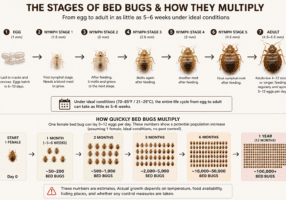
Bed bugs are small, reddish-brown insects that feed on human blood, usually at night.
The most common species affecting UK homes is Cimex lectularius.
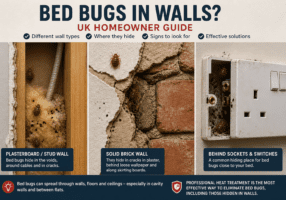
They hide in:
- Mattresses
- Bed frames
- Headboards
- Skirting boards
- Sofas
- Cracks and crevices
They do not live on your body. They feed and then retreat to hiding places.
The British Pest Control Association provides general pest guidance here:
https://bpca.org.uk/
https://bpca.org.uk/
What Is Scabies?
Scabies is not caused by insects like bed bugs.
Scabies is caused by microscopic mites called Sarcoptes scabiei. These mites burrow into the skin and lay eggs.
According to NHS guidance:
https://www.nhs.uk/conditions/scabies/
https://www.nhs.uk/conditions/scabies/
Scabies spreads through:
- Prolonged skin-to-skin contact
- Sharing bedding or clothing (in some cases)
Unlike bed bugs, scabies mites live inside the skin.
So, Do Bed Bugs Cause Scabies?
No.
Bed bugs do not carry scabies mites.
Bed bugs do not transmit scabies.
Bed bug bites do not turn into scabies.
Bed bugs do not transmit scabies.
Bed bug bites do not turn into scabies.
They are completely different problems.
However, both conditions cause itching and skin irritation, which is why people confuse them.
Why Are Bed Bugs and Scabies Often Confused?
There are three main reasons:
1. Both Cause Intense Itching
Bed bug bites can be very itchy.
Scabies causes severe itching, especially at night.
Scabies causes severe itching, especially at night.
2. Both Can Cause Red Bumps
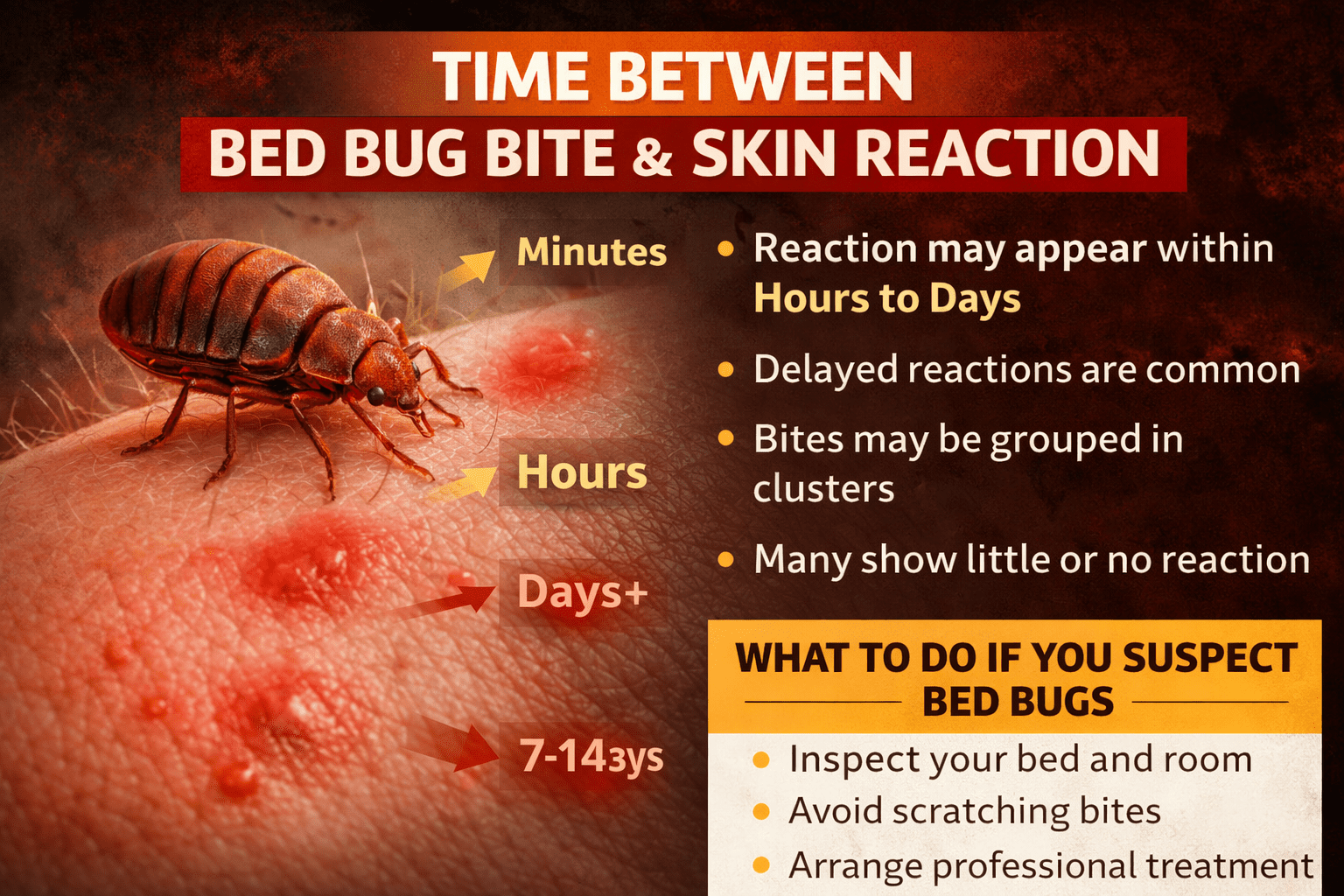
Bed bug bites often appear as red, raised welts.
Scabies causes small red spots and sometimes a rash.
Scabies causes small red spots and sometimes a rash.
3. Both Can Spread Across the Body
Bed bug bites may appear in multiple areas exposed during sleep.
Scabies can spread if untreated.
Scabies can spread if untreated.
When someone wakes up covered in itchy marks, it’s easy to assume the worst.
Key Differences Between Bed Bugs and Scabies
Here’s how to tell them apart.
Bed Bug Bites
- Appear in lines or clusters.
- Usually on exposed skin (arms, legs, neck)
- No burrowing marks
- You may see bugs or black spotting on mattress seams.
- Other household members may also have bites.
Scabies
- Intense itching that worsens at night
- Thin, wavy burrow lines in the skin
- Often between fingers, wrists, and waistline
- Spreads through close contact
- Requires medical treatment
If you suspect scabies, consult your GP or follow NHS advice here:
https://www.nhs.uk/conditions/scabies/
https://www.nhs.uk/conditions/scabies/
Can Bed Bug Bites Turn Into Scabies?
No.
Bed bug bites cannot develop into scabies because they are caused by entirely different organisms.
However, excessive scratching of bed bug bites can cause:
- Skin infections
- Swelling
- Secondary bacterial irritation
If bites become painful, ooze, or worsen significantly, medical advice is recommended.
How Do You Know If It’s Bed Bugs?
Common signs of a bed bug infestation include:
- Small blood spots on sheets
- Black speck-like droppings on mattresses
- A musty odour in heavy infestations
- Live insects in seams and cracks
- Bites that appear overnight
Bed bugs hide well. Seeing just one can indicate a larger infestation.
Why Misdiagnosis Is Common in the UK
Many people assume:
“It must be bed bugs.”
Or: “It must be scabies.”
Or: “It must be scabies.”
But in reality, skin reactions can also be caused by:
- Allergies
- Fleas
- Dermatitis
- Heat rash
That’s why identifying physical evidence in the home is crucial.
The NHS provides clear medical guidance for scabies diagnosis here:
https://www.nhs.uk/conditions/scabies/
https://www.nhs.uk/conditions/scabies/
If no signs of mites are present but bites appear overnight, bed bugs are more likely.
What Should You Do If You Suspect Bed Bugs?
Act quickly.
Bed bugs reproduce rapidly and can spread between rooms.
Avoid:
- Spraying random shop-bought chemicals
- Throwing away beds immediately
- Moving infested items between rooms
DIY treatments often fail because:
- Bed bugs hide deep inside furniture.
- Eggs are resistant to many surface sprays.
- Incomplete treatment spreads the infestation.
Professional treatment is often the most reliable solution.
Specialist bed bug treatment is available here:
https://www.mothkill.co.uk/bed-bug-treatment/
https://www.mothkill.co.uk/bed-bug-treatment/
How Are Bed Bugs Treated Professionally?
Professional treatments typically involve:
- Detailed inspection
- Targeted application to hiding areas
- Treatment of bed frames and skirting boards
- Follow-up visits if required
Heat treatment is especially effective because it kills:
- Adult bugs
- Nymphs
- Eggs
Attempting incomplete DIY control can make infestations worse by dispersing them.
How Is Scabies Treated?
Scabies requires medical treatment — usually a prescribed cream such as permethrin.
Treatment involves:
- Applying medication to the entire body
- Washing bedding and clothing
- Treating close contacts
Again, bed bug spray will not cure scabies.
Medical treatment will not eliminate bed bugs.
They are separate issues.
When Should You Seek Medical Advice?
Contact a GP if:
- Itching is severe and widespread.
- Burrow lines are visible.
- Symptoms persist despite bed bug treatment.
- Other household members develop intense itching.
If evidence of insects is found in your home, pest control is the correct route.
Final Answer: Do Bed Bugs Cause Scabies?
No.
Bed bugs and scabies are entirely different conditions.
Bed bugs cause itchy bites from feeding on blood.
Scabies is caused by microscopic mites burrowing under the skin.
Scabies is caused by microscopic mites burrowing under the skin.
They may look similar at first, but they require completely different solutions.
If you’re seeing signs of bed bugs in your property, professional intervention is often the fastest way to stop the problem before it spreads.
For discreet and effective UK bed bug treatment, visit:
https://www.mothkill.co.uk/bed-bug-treatment/
https://www.mothkill.co.uk/bed-bug-treatment/