Britain’s Bed Bug Hotspots

Introduction
Bed bug infestations have increased significantly across Britain over the past decade, affecting homes, hotels, rental properties, student accommodation, and public transport environments. Once considered rare, bed bugs are now a persistent urban pest problem, particularly in densely populated cities with high levels of travel and property turnover.
Understanding where bed bug hotspots exist in Britain, why infestations are rising, and how to respond quickly is essential for homeowners, landlords, hospitality providers, and property managers. This guide explains the main UK infestation areas, the factors driving their spread, and the most effective modern treatment solutions available today.
Why Bed Bug Infestations Are Increasing in Britain
Several major trends have contributed to the resurgence of bed bugs across the UK:
1. Increased Domestic and International Travel
Bed bugs are expert hitchhikers, travelling in luggage, clothing, and personal belongings. High travel volumes through airports, hotels, trains, and buses allow infestations to spread rapidly between cities.
2. High-Density Urban Living
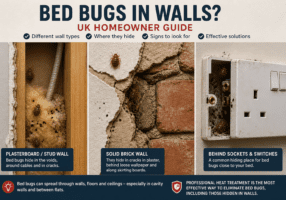
Apartment buildings, shared housing, and terraced properties make it easier for infestations to move between neighbouring units through:
- Shared walls
- Electrical outlets
- Pipe runs
- Corridors and communal areas
3. Frequent Tenant Turnover
Rental markets in large cities experience frequent tenant movement, increasing the risk of infestations being unknowingly transported between properties.
4. Insecticide Resistance
Many bed bug populations have developed resistance to older chemical treatments, making DIY solutions less effective and increasing the need for professional eradication methods.
Britain’s Major Bed Bug Hotspots
While infestations can occur anywhere, several UK regions consistently report higher bed bug activity due to population density, tourism, and housing patterns.
London
London remains the UK’s largest bed bug hotspot due to:
- Heavy international travel
- Dense housing
- High hotel occupancy
- Frequent rental turnover
- Extensive public transport networks
Areas with large numbers of apartment buildings, hostels, and serviced accommodation experience particularly high infestation levels.
Birmingham
As one of the UK’s largest metropolitan areas, Birmingham experiences regular infestations across residential housing, student accommodation, and hotels. High population density and travel links contribute to the ongoing spread.
Manchester
Manchester’s expanding rental sector, student population, and hospitality industry create ideal conditions for bed bug transfer between properties and accommodation facilities.
Glasgow
Urban density and multi-occupancy housing contribute to steady infestation reports across parts of Glasgow, particularly in high-turnover housing areas.
Leeds and Sheffield
Growing student populations and rental property turnover make these cities increasingly vulnerable to infestations.
Other High-Risk Environments Across the UK
Bed bugs are not limited to major cities. High-risk environments nationwide include:
- Hotels and guesthouses
- Student accommodation
- Short-term rental properties
- Hostels
- Public transport seating
- Shared housing
- Care homes
- Sheltered accommodation
- Offices with soft furnishings
Any location with frequent human movement and upholstered furniture can become a transfer point.
How Bed Bugs Spread Between Properties
Bed bugs rarely travel long distances on their own; instead, they spread primarily through human activity:
- Luggage after travel
- Second-hand furniture purchases
- Clothing is transported between locations.
- Moving house
- Shared laundry facilities
- Visitors unknowingly carry infestations.
- Hotel stays
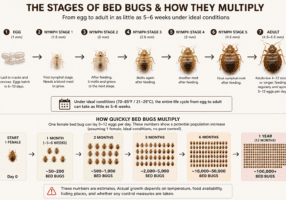
Because infestations often begin with only a few insects, early detection is crucial to prevent rapid population growth.
Early Signs of a Bed Bug Infestation
Recognising the warning signs early can prevent widespread infestations:
- Small red bites appearing overnight
- Blood spotting on bedding
- Dark faecal marks on mattresses or bed frames
- Shed insect skins
- Musty odour in severe infestations
- Live insects hiding in mattress seams or furniture joints
Bed bugs typically hide in:
- Mattress seams
- Bed frames
- Headboards
- Sofas and upholstered furniture
- Skirting boards
- Electrical outlets
- Cracks and crevices
Why DIY Treatments Often Fail
Many over-the-counter treatments provide only temporary relief because:
- Bed bugs hide deep inside furniture and structural gaps.
- Eggs remain unaffected by many insecticides.
- Insecticide-resistant populations survive treatment.
- Reinfestation occurs quickly
- Incomplete treatment allows populations to recover.
Professional treatment is usually required for full eradication, particularly in established infestations.
The Most Effective Solution: Professional Bed Bug Heat Treatment
Modern pest control specialists increasingly use heat treatment because it eliminates bed bugs at all life stages, including eggs, nymphs, and adults.
Heat treatment advantages include:
- Penetrates furniture, mattresses, and structural voids
- Kills all life stages in a single treatment
- Reduces reliance on chemical pesticides
- Faster eradication compared with repeated spraying
- Suitable for homes, hotels, and rental properties
For professional services, visit:
Bed Bug Heat Treatment UK
Bed Bug Heat Treatment UK
Heat treatment is particularly effective in urban environments where infestations can spread rapidly between neighbouring units.
How to Reduce the Risk of Bed Bugs
While no prevention method guarantees complete protection, several practices reduce the risk significantly:
During Travel
- Inspect hotel beds and headboards.
- Keep luggage elevated and away from beds.
- Wash clothing at high temperatures after returning home.
- Vacuum suitcases before storage
At Home
- Inspect second-hand furniture carefully.
- Avoid bringing discarded furniture indoors.
- Reduce clutter around sleeping areas.
- Check mattresses periodically
For Landlords and Property Managers
- Inspect units between tenancies.
- Educate tenants about early reporting.
- Arrange professional inspections when infestations are suspected.
UK Resources for Bed Bug Information
Reliable UK guidance sources include:
- British Pest Control Association (BPCA): https://bpca.org.uk
- NHS Bed Bug Advice: https://www.nhs.uk/conditions/bedbugs/
- Local Council Pest Advice: https://www.gov.uk/find-local-council
These resources provide official health, prevention, and inspection recommendations.
When to Contact a Professional Pest Control Service
Professional assistance is recommended when:
- Multiple bites appear repeatedly.
- Bed bug sightings occur in more than one room.
- DIY treatments have failed
- Infestations occur in rental or shared housing.
- Hotels or hospitality premises are affected.
- Rapid eradication is required.
Early intervention significantly reduces treatment costs and prevents spread to neighbouring properties.
Key Takeaways
- Bed bug infestations are rising across Britain, particularly in major cities.
- Travel, rental turnover, and dense housing drive rapid spread.
- Early detection prevents large infestations.
- DIY treatments often fail to eliminate hidden populations.
- Professional heat treatment offers one of the most reliable complete eradication methods.
Conclusion
Bed bugs have become a widespread urban pest issue across Britain, with major hotspots developing in cities such as London, Birmingham, Manchester, and Glasgow. Increased travel, dense housing, and insecticide resistance have made infestations more common than in previous decades, affecting both residential and commercial properties.
Understanding where infestations occur most frequently, recognising early warning signs, and using effective professional treatment methods are essential for preventing widespread problems. Modern heat treatment solutions provide one of the most reliable and efficient approaches for eliminating bed bugs completely while reducing the likelihood of reinfestation.
Prompt action, routine inspections, and professional intervention when needed remain the most effective strategies for maintaining bed bug-free homes and properties across the UK.