Bed Bug Heat Treatment Failed: What Should You Do Next?

Bed Bug Heat Treatment Failed: What Should You Do Next?
Still finding bed bugs after professional heat treatment? Learn why treatment can fail, how to investigate continuing activity and what to do before paying for another treatment.
Professional bed bug heat treatment is often promoted as one of the most effective ways to eliminate an infestation. When carried out correctly, heat can kill adult bed bugs, nymphs and eggs without relying on insects making contact with an insecticide.
But what happens when you have paid for heat treatment and discover that bed bugs are still present?
Finding live insects after an expensive treatment can be extremely frustrating. You may wonder whether the treatment was performed correctly, whether the infestation was more extensive than expected or whether you need to pay for the entire process again.
The important thing is not to assume immediately that another complete treatment is necessary.
First, establish whether bed bugs are genuinely still active, where they are being found and what might explain their presence.
Can Professional Bed Bug Heat Treatment Fail?
Yes. Although professional heat treatment can be highly effective, no method guarantees success in every property.
Heat treatment works by raising temperatures to levels that are lethal to bed bugs and maintaining sufficient exposure to kill the insects.
However, there is a critical distinction between the temperature of the air inside a room and the temperature experienced by insects concealed inside furniture, wall junctions and other protected harbourages.
A bedroom may reach a high air temperature while some insulated or obstructed locations remain cooler.
Professional heat treatment therefore requires much more than simply positioning a heater in a room.
It requires a properly designed heating programme, adequate airflow, temperature monitoring and careful attention to the locations where bed bugs may be hiding.
For more information, read MothKill's professional bed bug heat treatment guide.
Eight Reasons Bed Bug Heat Treatment May Fail
There are several possible explanations for bed bugs remaining after a treatment. Some relate to the heating process, while others involve the property, its contents or the movement of infested belongings.
Cold Spots Inside the Property
Protected areas may not reach lethal temperatures even when the surrounding room air becomes very hot. Bed bugs concealed within these areas may survive.
Insufficient Heat Penetration
Dense furniture, stacked belongings, mattresses and enclosed cavities can slow heat transfer. Inadequate exposure may leave some harbourages untreated.
Inadequate Temperature Monitoring
Monitoring only room air temperature may not demonstrate that concealed harbourages received sufficient lethal exposure.
Untreated Rooms or Areas
Bed bugs may remain in rooms, furniture or other locations excluded from treatment. This is particularly relevant where an infestation has spread beyond its original location.
Poor Air Circulation
Obstructions, unsuitable equipment positioning and insufficient airflow can produce uneven heating throughout a property.
Items Removed Before Treatment
Infested clothing, luggage or furniture taken out of the property without suitable containment and treatment may reintroduce bed bugs later.
Movement Between Properties
In flats and multi-occupancy buildings, bed bugs may move between adjoining units. An untreated neighbouring infestation can complicate control.
New Introduction
Bed bugs may be introduced again through travel, visitors, second-hand furniture or belongings. This is different from insects surviving the original treatment.
Room Temperature Is Not the Same as Bed Bug Harbourage Temperature
This is one of the most important points to understand when assessing heat treatment.
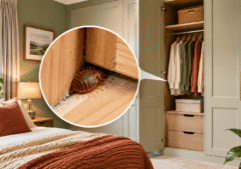
Bed bugs frequently hide in narrow cracks, furniture joints, bed frames, skirting boards and other concealed locations.
Heat takes time to penetrate materials. Some locations warm much more slowly than the surrounding air.
For example, a temperature sensor positioned in the middle of a room may show that the air has reached a high temperature. However, that reading does not prove that every protected location has reached the same temperature.
Professional treatment planning should account for these differences.
The required exposure depends on the temperature achieved at the insect's location and how long that temperature is maintained.
What Should a Professional Heat Treatment Record Show?
A useful treatment record may include:
- The rooms and areas included in treatment.
- The location of temperature monitoring sensors.
- Temperature readings recorded throughout the treatment.
- The period during which target temperatures were maintained.
- Any areas that were difficult to heat.
- Items excluded from treatment and the reasons.
- Any additional pest control measures undertaken.
Temperature records help assess treatment delivery, although they cannot prove that every concealed harbourage reached lethal conditions.
What Should You Do If You Find Bed Bugs After Heat Treatment?
Rather than immediately booking another treatment, follow a structured process.
Step 1: Confirm That the Insect Is a Bed Bug
Not every small brown insect found in a bedroom is a bed bug.
Carpet beetles, booklice and other household insects are sometimes mistaken for bed bugs.
Photograph the insect clearly or retain it in a sealed container for identification.
Correct identification is essential before deciding whether further bed bug treatment is needed.
Step 2: Record Where and When It Was Found
Write down the date, room and precise location of the sighting.
Was the insect found on a bed frame, inside a drawer, near skirting boards or in a room that was not treated?
This information may help identify the source of continuing activity.
Step 3: Contact the Original Treatment Company
Explain what you have found and provide photographs where possible.
Ask whether a follow-up inspection is included and what the company's warranty covers.
Allow the company an opportunity to investigate and respond under the agreed terms.
Step 4: Request the Treatment Details
Ask which rooms were treated, what temperatures were recorded and whether any locations were excluded.
If a sensor report was produced, request a copy.
These records may help determine whether further investigation is appropriate.
Step 5: Avoid Moving Potentially Infested Belongings
Moving untreated furniture or belongings between rooms may spread bed bugs.
Keep potentially infested items contained until you have suitable advice about inspection or treatment.
Step 6: Arrange a Follow-Up Inspection
An inspection should focus on confirming live activity and identifying its likely source.
Additional treatment should be based on the findings rather than automatically repeating the original procedure.
Does Finding One Bed Bug Mean Heat Treatment Failed?
Finding a confirmed live bed bug after treatment is important evidence and should not be dismissed.
However, a single sighting does not establish the number of insects remaining or explain how they arrived.
The insect may have survived treatment, emerged from an untreated location or been introduced afterwards.
Its condition, location and the time elapsed since treatment may help guide the investigation, but none of these details alone proves the cause.
Repeated confirmed sightings, particularly in previously affected harbourages, strengthen the case for continuing infestation.
What If You Are Still Getting Bitten After Heat Treatment?
Bite-like marks alone cannot confirm that bed bugs are still present.
Skin reactions can appear at different times, persist after the original exposure or result from other causes.
Some people react strongly to bed bug bites, while others show little or no visible reaction.
If you continue to experience suspected bites, look for additional evidence such as live insects, fresh spotting or activity detected by suitable monitors.
Seek medical advice for persistent or concerning skin symptoms.
Can Bed Bug Eggs Survive Heat Treatment?
Bed bug eggs can be killed by heat, but only when they receive sufficient lethal exposure.
Eggs concealed in cooler locations may survive an incomplete treatment.
If viable eggs remain, newly hatched nymphs may appear later.
This is one reason why heat penetration and exposure time are so important.
A properly delivered heat treatment aims to control all bed bug life stages, including eggs.
How Soon After Heat Treatment Can Bed Bugs Reappear?
There is no single timetable that identifies the cause of post-treatment activity.
Live bed bugs found shortly after treatment may indicate surviving insects or activity from an untreated location.
Newly emerging nymphs may indicate that viable eggs remained, although the timing alone cannot prove this.
Activity discovered weeks or months later may reflect survival, movement from another infested area or a new introduction.
| Observation | Possible explanation | Recommended action |
|---|---|---|
| Live bed bug shortly after treatment | Survival or untreated harbourage | Document the sighting and contact the provider. |
| Small nymphs appearing later | Possible survival of viable eggs | Arrange inspection and confirm identification. |
| Repeated activity in several rooms | Possible remaining or wider infestation | Review treatment coverage and inspect affected areas. |
| Activity after travel or furniture delivery | Possible new introduction | Investigate luggage, belongings and other likely sources. |
| Bite-like marks but no insect evidence | Cause remains uncertain | Monitor and seek identification before retreatment. |
Should You Pay for Another Complete Heat Treatment?
Not necessarily.
Before agreeing to another full-property treatment, establish why the first treatment may not have resolved the infestation.
If insects survived in inadequately heated locations, a revised heat treatment plan may be appropriate.
If the problem originates in an adjoining property, treating the same rooms again without addressing the source may not provide lasting control.
If untreated belongings are responsible, those items may require specific attention.
A professional assessment can help determine whether targeted treatment, additional monitoring, combined treatment methods or another comprehensive treatment is justified.
Should You Use Insecticides After Failed Heat Treatment?
In some circumstances, professional insecticides or desiccant dusts may form part of an appropriate follow-up programme.
However, applying additional products without identifying the source of continuing activity may be ineffective.
The choice of product and application location should reflect the infestation, relevant approvals, label requirements and safety considerations.
Heat and insecticides can complement one another, but neither should be applied indiscriminately.
Important: Avoid Repeated DIY Spraying
If professional heat treatment appears unsuccessful, it can be tempting to purchase several insecticides and spray every room.
Unfortunately, unsuitable or excessive pesticide applications can increase exposure risks without resolving concealed infestations.
Do not use unapproved products, apply pesticides contrary to their labels or introduce chemicals into electrical equipment and other unsuitable locations.
Investigate the cause before choosing another treatment.
What About Bed Bugs in Flats and Apartment Buildings?
Multi-occupancy buildings can present additional challenges.
Bed bugs may move between units through structural openings, service penetrations or the movement of belongings.
This does not mean every infestation in a flat originates from another property.
However, where repeated activity suggests a wider problem, coordinated inspection and management may be necessary.
Landlords, managing agents and occupants may need to work together to establish which areas require attention.
Read our guide to bed bug heat treatment in flats and apartments.
What Should You Ask a Second Pest Control Company?
If you are considering a second opinion, provide as much information as possible about the previous treatment.
Questions Worth Asking
- Can you inspect the property before recommending another treatment?
- What evidence suggests bed bugs are still active?
- Which areas might have been missed previously?
- Would you recommend heat, insecticides or a combined approach?
- How will you assess concealed harbourages?
- Will temperature monitoring be used during heat treatment?
- What preparation will be required?
- What follow-up arrangements are included?
- What warranty conditions apply?
A responsible contractor should explain the reasons for recommending further treatment and acknowledge any uncertainties.
Can a Second Heat Treatment Succeed Where the First Failed?
Yes, a revised treatment may succeed if the cause of the original failure is identified and corrected.
For example, changes to equipment positioning, airflow, treatment coverage, preparation and temperature monitoring may address shortcomings in the original programme.
However, repeating the same procedure without investigating the underlying problem may lead to further disappointment.
The objective should be to correct the cause of continuing activity rather than simply repeat the treatment.
How Can You Reduce the Risk of Another Failed Treatment?
Successful bed bug management depends on cooperation between the treatment provider and the property occupants.
Follow Preparation Instructions
Prepare beds, furniture and belongings as instructed so that relevant harbourages can be accessed and treated.
Identify All Affected Areas
Tell the contractor about sightings throughout the property, even if activity appears concentrated in one bedroom.
Manage Removed Belongings
Do not return potentially infested items to treated rooms unless they have been inspected or appropriately managed.
Monitor After Treatment
Keep records of confirmed sightings and follow the contractor's aftercare and monitoring recommendations.
Frequently Asked Questions
Why am I still seeing bed bugs after heat treatment?
Possible explanations include surviving insects in cooler harbourages, untreated areas, infested belongings or reintroduction. A follow-up inspection is needed to investigate the cause.
Does professional heat treatment kill bed bug eggs?
Yes, provided eggs receive sufficiently lethal temperatures for the necessary duration. Eggs in inadequately heated locations may survive.
Can bed bugs survive temperatures of 60°C?
Bed bugs exposed directly to 60°C for an adequate period are expected to die. However, a room-air reading of 60°C does not establish that insects hidden inside protected materials experienced the same conditions.
Should I complain if bed bug heat treatment failed?
Contact the original company, provide evidence of continuing activity and request an explanation or inspection. Review the quotation, service agreement and warranty conditions before deciding on further action.
Will I need to pay for another treatment?
That depends on the original contract, warranty conditions, evidence of continuing infestation and the cause of the problem. Ask the provider to explain what is included before authorising additional work.
Can bed bugs come back months after successful treatment?
Yes. A new introduction can occur even after a previous infestation has been eliminated. Continued activity from untreated locations is another possibility, so investigation is important.
Is another heat treatment always the best solution?
No. The appropriate response may involve inspection, monitoring, targeted control, coordinated management of adjoining areas or a revised comprehensive treatment programme.
Final Advice: Find Out Why the First Treatment Failed
Discovering bed bugs after professional heat treatment does not automatically mean that the entire process was ineffective.
It does mean that the situation deserves proper investigation.
Confirm the insects, document the activity, review the treatment records and establish whether the problem involves surviving bed bugs, untreated harbourages or reintroduction.
Only then can you make an informed decision about whether another treatment is necessary.
The most effective next step is not always more heat or more insecticide. It is identifying the reason bed bugs remain.
Still Finding Bed Bugs After Heat Treatment?
MothKill provides specialist professional bed bug heat treatment. If you have experienced unsuccessful treatment, tell us what work was carried out, when it took place and what evidence of bed bugs remains. We can discuss whether further assessment or treatment may be appropriate.
Request Professional Advice & a Quote Explore Our Heat Treatment Service