How Many Bed Bug Treatments Will I Need?

How Many Bed Bug Treatments Will I Need?
Is one professional treatment enough to eliminate bed bugs, or will you need two, three or even more visits? Discover how different treatment methods compare and why some infestations take longer to resolve.
If you have discovered bed bugs in your home, one of the first questions you may ask is how many treatments will be needed to eliminate them.
You might have received quotations from several pest control companies, only to find that their proposed treatment programmes are very different.
One company may recommend a single heat treatment, while another suggests two or three insecticide visits spread over several weeks.
It can be difficult to understand which approach is most appropriate, especially when the prices differ considerably.
The important point is that bed bug treatment is not simply about the number of visits. It is about whether the chosen method can reach and eliminate the insects throughout their hiding places.
How Many Professional Bed Bug Treatments Are Normally Needed?
The number of treatments depends largely on the method being used.
Conventional insecticide programmes commonly involve repeat visits because bed bugs may be hidden, eggs may survive some applications and newly emerged insects may need to encounter residual treatments.
Professional heat treatment takes a different approach by aiming to kill all bed bug life stages exposed to sufficiently lethal temperatures during the treatment session.
However, heat must reach the actual harbourages, not simply warm the surrounding air.
| Treatment method | Typical programme | Important considerations |
|---|---|---|
| Professional insecticide treatment | Often 2–3 visits | Follow-up may be required for newly emerged insects and missed harbourages. |
| Whole-property heat treatment | Often 1 treatment session | Requires sufficient temperature and exposure in all relevant hiding places. |
| Combined heat and insecticide treatment | One heat session plus additional treatment or follow-up as required | Combines immediate heat exposure with appropriate additional control measures. |
| Targeted steam and physical control | Variable; repeat visits may be needed | Only insects adequately exposed to treatment are controlled. |
These are general programme patterns rather than guarantees. A reputable pest controller should explain the proposed treatment schedule and what happens if activity continues.
Why Do Bed Bug Insecticide Treatments Often Require More Than One Visit?
Bed bugs are difficult to eliminate using insecticides alone because they can remain hidden in protected locations.
Some insecticide products may have limited effectiveness against eggs, particularly when the eggs are concealed or not directly exposed.
Once eggs hatch, the emerging nymphs may need to encounter an effective residual deposit or receive further treatment.
Other challenges include insecticide resistance, unsuitable product selection and inaccessible harbourages.
This is why professional programmes frequently include planned follow-up inspections and additional applications where appropriate.
Can One Bed Bug Heat Treatment Be Enough?
Yes. A properly planned professional heat treatment can eliminate a bed bug infestation in a single treatment session.
Heat is capable of killing eggs, nymphs and adults when they are exposed to sufficiently lethal temperatures for the necessary duration.
However, it is essential to understand the difference between room air temperature and the temperature within concealed hiding places.
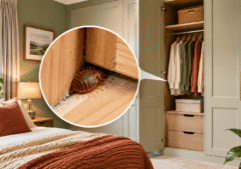
Bed bugs may be hidden inside furniture joints, beneath mattresses, behind skirting boards and in other protected locations.
These areas can heat more slowly than the surrounding air.
Professional heat treatment therefore requires careful equipment positioning, air circulation, sufficient exposure and temperature monitoring.
Read our guide to how professional bed bug heat treatment works.
Why Might Bed Bugs Survive a Heat Treatment?
Heat treatment can fail if lethal conditions are not achieved in all relevant harbourages.
Cold Spots
Protected areas may remain cooler than the surrounding room air, allowing some insects to survive.
Dense Furniture
Thick materials, furniture joints and tightly packed belongings may slow heat penetration.
Inadequate Preparation
Clutter, inaccessible rooms or unsuitable furniture arrangements can interfere with treatment coverage.
Untreated Areas
Bed bugs in excluded rooms or adjoining infested units may remain unaffected.
Insufficient Exposure
Reaching a target temperature briefly does not necessarily provide sufficient lethal exposure in concealed locations.
Reintroduction
Bed bugs may be brought back into the property through infested belongings, furniture or travel.
These are reasons why professional heat treatment must be carefully planned and monitored rather than relying on heaters alone.
How Long Should You Wait Between Bed Bug Spray Treatments?
Many professional insecticide programmes schedule follow-up visits approximately 10–14 days apart, although the correct interval depends on the product, label instructions, infestation and treatment plan.
Follow-up timing is intended to address continuing activity and insects emerging after the initial treatment.
However, there is no universal interval suitable for every insecticide.
Always follow the pest controller's instructions rather than arranging additional spraying independently.
Does a Severe Bed Bug Infestation Need More Treatments?
Severe infestations may require more extensive treatment planning and follow-up.
However, infestation severity alone does not determine the exact number of visits.
A large infestation in a property that can be effectively heat treated may still be suitable for a single comprehensive heat treatment session.
Conversely, a smaller infestation involving inaccessible harbourages or repeated reintroduction may require additional work.
The location and distribution of the insects are often as important as their numbers.
Is One Treatment Enough If Bed Bugs Are Only in One Bedroom?
Sometimes, but the rest of the property should be considered before restricting treatment.
An early, genuinely localised infestation may be suitable for targeted professional treatment.
However, bed bugs can spread unnoticed through furniture, belongings and movement between rooms.
In established infestations, treating only the bedroom where insects were first discovered may leave other harbourages untouched.
Read our guide to whether bed bugs in one bedroom require whole-house treatment.
What Is Hybrid Bed Bug Treatment?
Hybrid treatment combines more than one professional control method.
For example, a programme may use heat treatment alongside carefully selected insecticides or desiccant dusts in suitable locations.
The objective is to combine the immediate effects of heat with additional control measures where appropriate.
However, additional insecticides should only be used where authorised and suitable for the application.
Hybrid treatment is not automatically necessary for every infestation.
The appropriate programme depends on the property, infestation and treatment objectives.
Professional Treatment Tip
When comparing quotations, ask whether the price includes a single treatment session, a planned follow-up visit, monitoring or additional treatment if live bed bugs remain.
Two quotations may appear similar while covering very different services.
How Do You Know Whether Another Bed Bug Treatment Is Needed?
The decision should be based on evidence of continuing infestation rather than bites alone.
Skin reactions can persist after exposure and may have causes unrelated to bed bugs.
More useful evidence includes live insects, new faecal spotting, eggs, shed skins and monitoring results.
- Record dates and locations of live bed bug sightings.
- Photograph suspected insects for identification.
- Check previously affected beds and furniture.
- Use suitable monitoring devices where recommended.
- Report repeated live sightings to the treatment provider.
- Follow the agreed inspection and aftercare programme.
- Avoid introducing potentially infested furniture or belongings.
A single insect found after treatment should be investigated, but it does not always establish the extent of any remaining infestation.
Why Bed Bug Treatment Sometimes Fails After Three Visits
If bed bugs are still active after several professional treatments, repeating the same approach without investigating the cause may be ineffective.
Possible explanations include insecticide resistance, missed harbourages, inadequate preparation, incomplete treatment coverage or reintroduction.
In multi-occupancy buildings, untreated neighbouring units may also need consideration where evidence suggests movement between properties.
The next step should be a review of the treatment programme and the evidence of continuing activity.
Do Not Keep Spraying Bed Bugs Without a Treatment Plan
Repeatedly applying insecticides without locating the infestation can increase unnecessary chemical exposure and may fail to resolve the problem.
Household foggers and unsuitable DIY products can also create additional risks.
Always use authorised products according to their labels and seek professional advice when treatments are repeatedly unsuccessful.
Finding and treating the actual harbourages is more important than simply increasing the number of applications.
Is One Heat Treatment Cheaper Than Three Spray Treatments?
Not necessarily, although comparing total treatment costs rather than the initial quotation is important.
Professional heat treatment generally requires specialist equipment, substantial energy input and trained operators.
Consequently, the upfront cost may be higher than a single insecticide visit.
However, insecticide programmes may include several visits and additional preparation requirements.
When comparing costs, consider:
- The total quoted price for the complete programme.
- How many visits are included.
- Whether the entire property is being treated.
- What preparation is required.
- Whether follow-up inspections are included.
- What happens if bed bugs remain active.
- Any warranty and its conditions.
Read our 2026 UK bed bug heat treatment cost guide.
What Should You Ask Before Booking Professional Bed Bug Treatment?
Before accepting a quotation, make sure you understand exactly what the company is proposing.
How Many Visits?
Is the quotation for one visit or a complete treatment programme?
Which Rooms?
Will the company treat the entire property or only selected rooms?
Which Method?
Will treatment involve heat, insecticides, steam or a combination?
What Happens Afterwards?
Are monitoring, follow-up visits or additional treatment included?
What Preparation?
What must be moved, emptied, protected or removed before treatment?
What Warranty?
What is covered, for how long and under which conditions?
Frequently Asked Questions
Can bed bugs be eliminated in one treatment?
Yes. A properly planned professional heat treatment can eliminate an infestation in one session when lethal conditions reach all relevant harbourages. However, success is not guaranteed in every property.
Why do pest control companies recommend three treatments?
Some insecticide programmes use multiple visits to address surviving insects, newly emerged nymphs and continuing activity. The number of visits depends on the products and infestation.
Is two bed bug treatments enough?
It may be, depending on the method and the results. Some infestations require additional visits, while suitable heat treatment may be completed in one session.
How long between bed bug treatments?
Some insecticide programmes use intervals of around 10–14 days, but timing must follow the treatment plan and product instructions.
Can bed bug eggs survive the first spray?
Yes. Some insecticides have limited activity against eggs, especially where they are concealed or not exposed to the product.
Will bed bugs return after heat treatment?
They can return through reintroduction or survive in inadequately treated areas. Correct heat exposure, preparation and monitoring are important.
Should I book another treatment if I am still getting bitten?
Not on the basis of bite-like marks alone. Seek evidence of live bed bugs or other signs and discuss continuing symptoms with your treatment provider. A healthcare professional can assess persistent skin reactions.
Which Bed Bug Treatment Approach Is Right for Your Property?
There is no single programme that is appropriate for every infestation.
Targeted insecticide treatment may be suitable for some localised infestations, while comprehensive heat treatment may be appropriate for more extensive activity.
Hybrid approaches may also be considered where additional control measures offer a practical benefit.
The key is selecting a treatment programme that addresses the actual infestation and the characteristics of the property.
One properly planned treatment can be more effective than several incomplete treatments, but the method must be appropriate for the situation.
Want to Eliminate Bed Bugs Without Repeated Failed Treatments?
MothKill specialises in professional bed bug heat treatment. If you have received conflicting quotations or previous treatments have failed, tell us about your property and the infestation. We can help assess whether specialist heat treatment is suitable.
Request a Treatment Quote Professional Heat Treatment