

Pest Knowledge Centre
Expert advice on identifying, treating and preventing bed bugs, clothes moths and carpet beetles in UK homes.
Explore practical guides based on professional pest-control experience, from identifying the first signs of an infestation to understanding treatment options and preventing pests from returning.
Find Your Pest
Not sure where to begin? Choose the pest you're dealing with to explore identification guides, treatment options, prevention advice and expert help.
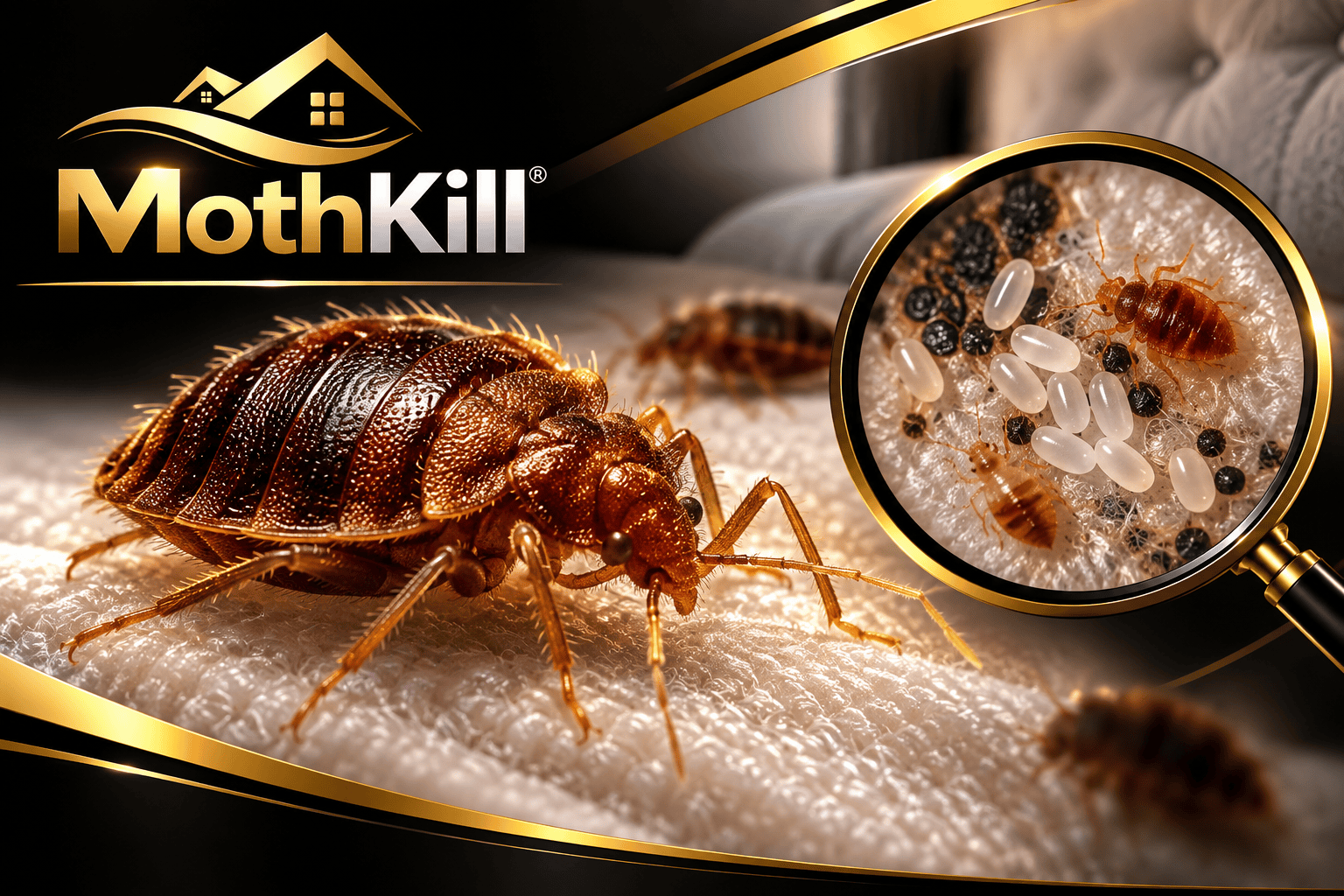
Bed Bugs
Learn how to identify bed bugs, recognise genuine signs of an infestation and understand why bites alone don't confirm their presence.
- Bed bug identification & signs
- Bites, eggs & harbourages
- Heat and professional treatment
- DIY methods & common failures
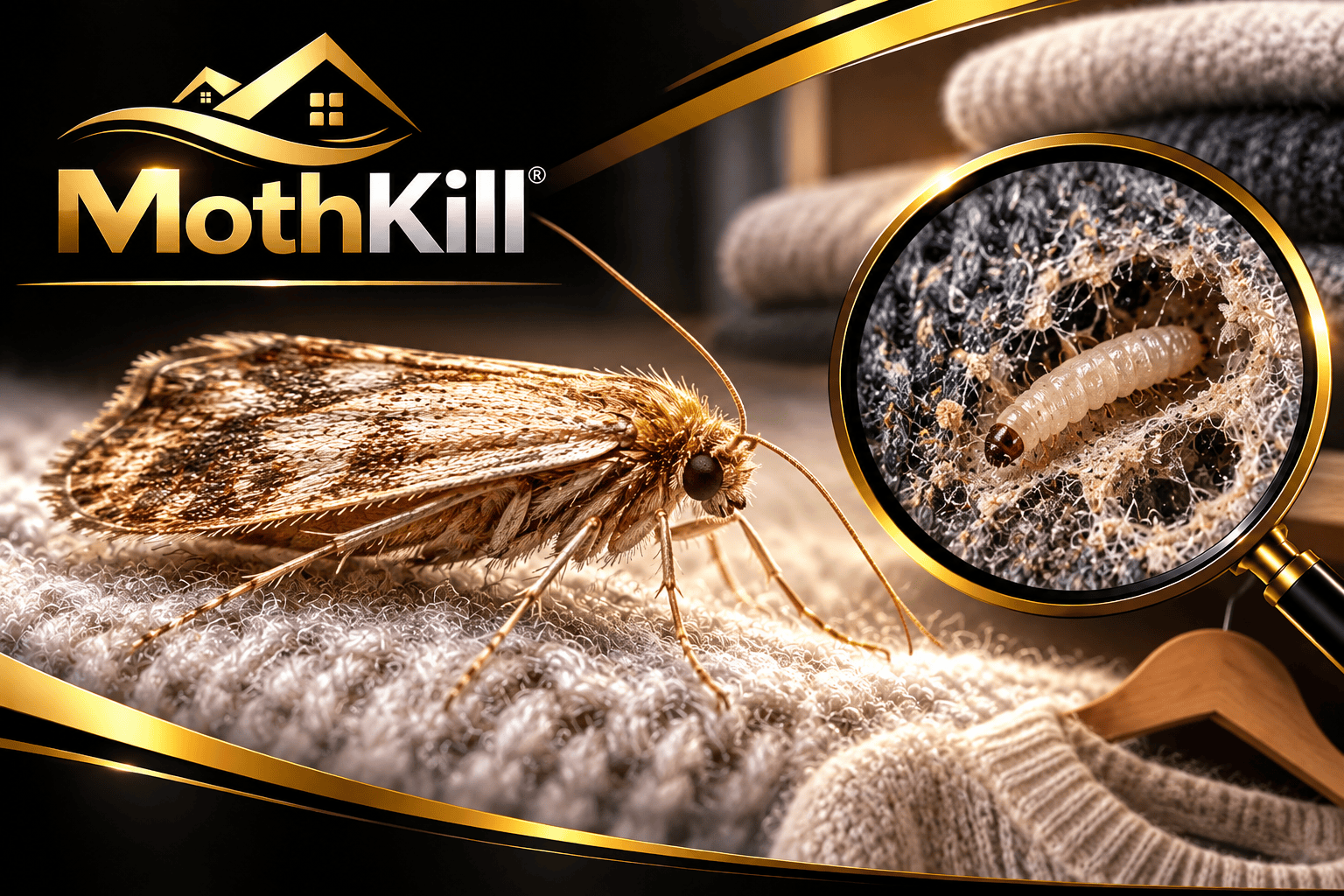
Clothes Moths
Understand the clothes moth lifecycle, identify larvae and damage, discover where infestations hide and learn which treatments work.
- Clothes moth identification
- Larvae, eggs & lifecycle
- Damage to carpets & clothing
- Treatment & prevention
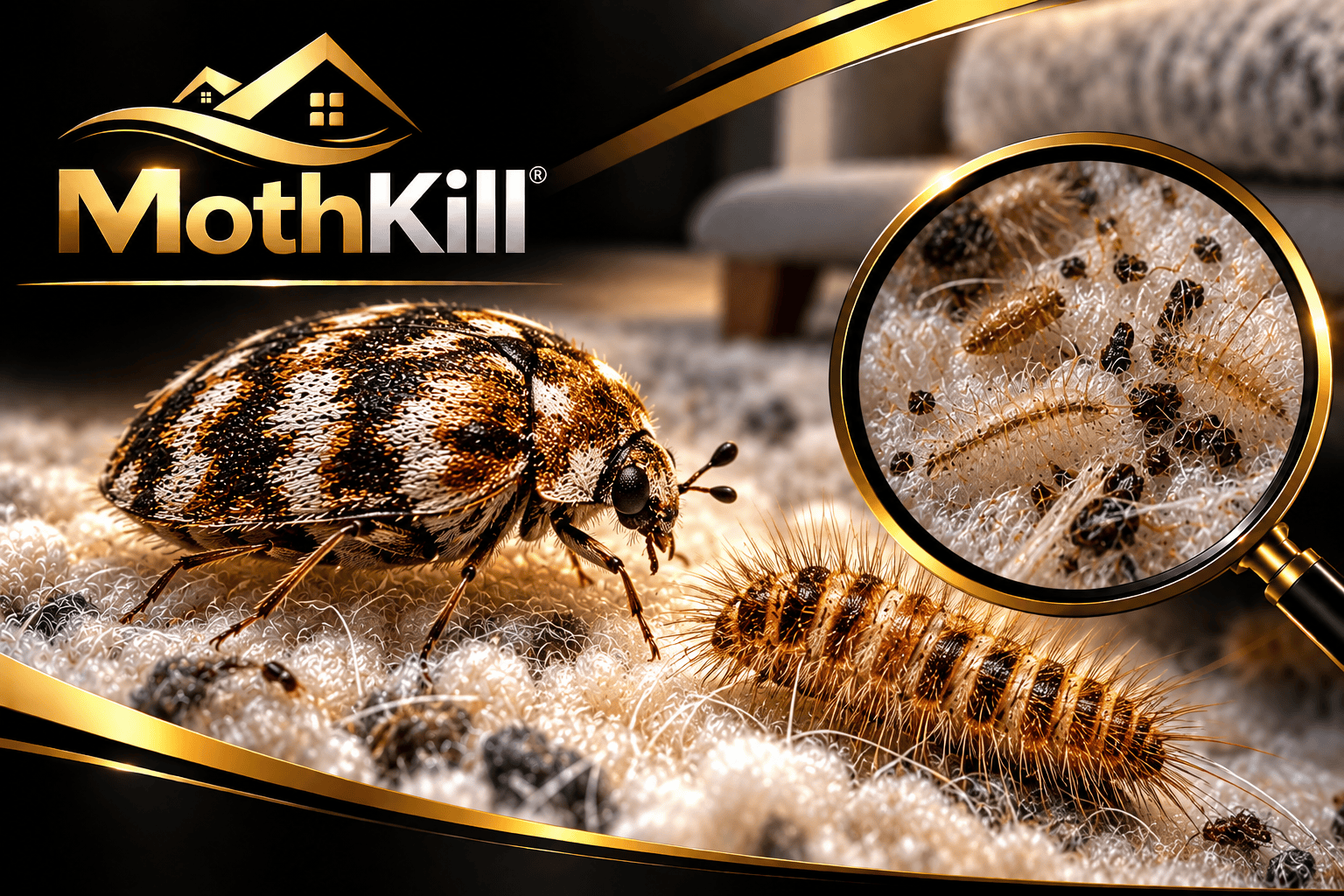
Carpet Beetles
Find out how to recognise adult carpet beetles and their distinctive hairy larvae, locate hidden infestations and prevent further damage.
- Adult beetle identification
- Carpet beetle larvae
- Common infestation areas
- Treatment & prevention
Bed Bug Guides & Expert Advice
Learn how to identify bed bugs, find where they are hiding, understand treatment options and discover why some bed bug treatments fail.
Think You May Have Bed Bugs?
Finding a suspicious insect or waking with unexplained marks can be worrying, but identification should come before treatment. Learn what bed bugs look like, where they hide and what evidence to search for.
I Found a Bed Bug – What Should I Do? →Identification & Investigation
Learn what to look for and where bed bugs are most likely to hide.
Where Do Bed Bugs Hide During the Day? → I Found a Bed Bug in My Bed → How Long After a Bed Bug Bite Does a Reaction Appear? →Heat Treatment
Understand how professional heat treatment targets bed bugs and their eggs.
Professional Bed Bug Heat Treatment → How Does Bed Bug Heat Treatment Work? → Does Heat Treatment Draw Bed Bugs Out? → Heat Treatment Preparation Checklist →DIY Bed Bug Control
Understand the limitations of DIY treatment and when specialist equipment may be required.
Can You Really Kill Bed Bugs With DIY Heat? → Bed Bug Heater Rental → Preparing for Bed Bug Heat Treatment →Treatment Failure & Aftercare
Still seeing activity? Find out why infestations sometimes survive treatment and what evidence to look for afterwards.
Still Got Bed Bugs After Treatment? → How Do I Know If Bed Bugs Are Gone? →Professional Bed Bug Heat Treatment
Specialist heat treatment using professional heating equipment, industrial air circulation and temperature monitoring.
Clothes Moth Guides & Expert Advice
Learn how to identify clothes moths and their larvae, understand the damage they cause, find hidden breeding areas and explore effective treatment and prevention methods.
Where Are Clothes Moths Coming From?
Clothes moths can remain hidden for long periods because it is the larvae, rather than the adult moths, that feed on vulnerable natural fibres. Finding the source is an important part of controlling an infestation.
Discover Where Clothes Moths Come From →
Identification & Signs
Learn about clothes moth larvae, their lifecycle and the evidence that can reveal a hidden infestation.
Damage & Hidden Infestations
Understand why larvae attack carpets, clothing and other natural fibres, and why infestations can remain unnoticed.
Professional Treatment
Explore professional clothes moth control and the different approaches available for established infestations.
Clothes Moth Heat Treatment
Find out how controlled professional heat can target adult moths, larvae, pupae and eggs throughout affected areas.
Professional Clothes Moth Treatment
MothKill provides professional treatment for clothes moth infestations, including specialist heat treatment and other professional treatment options depending on the property and infestation.
Carpet Beetle Guides & Expert Advice
Learn how to identify carpet beetles and their distinctive hairy larvae, recognise textile damage, locate hidden breeding areas and understand the treatment options available for established infestations.
The Larvae Cause the Damage
Adult carpet beetles are often noticed around windows, but the destructive stage is the larva. Carpet beetle larvae are small, bristly insects that feed on susceptible natural materials and can remain hidden in undisturbed areas of the home.
Identification & Signs
Learn how to recognise larvae, shed skins, adult beetles and the characteristic damage associated with an infestation.
Hidden Sources & Recurring Beetles
Repeated sightings can indicate larvae or a breeding source remains somewhere in the property.
Professional Treatment
Discover when an infestation may require professional intervention and how established carpet beetle problems can be treated.
Carpet Beetle Heat Treatment
Learn how professional controlled heat can target carpet beetles throughout their lifecycle, including insects hidden away from view.
Seeing an adult beetle isn't the same as finding the infestation.
Larvae can remain hidden beneath furniture, around carpet edges, inside wardrobes and in other quiet areas while feeding on suitable materials. Finding the source is an important part of long-term control.
Professional Carpet Beetle Treatment
MothKill provides professional carpet beetle control, including specialist heat treatment for persistent and widespread infestations.
Not Sure What Pest You're Dealing With?
Pest problems are not always obvious. Bites, damaged fabrics or finding a single insect can point towards several possible causes. Correct identification should come before choosing a treatment wherever possible.
Found an Insect?
Compare what you have found with our identification guides and look for supporting evidence around the affected area.
Still Unsure?
Tell MothKill what you've found, where you've found it and what signs you've noticed. The more information available, the easier it is to understand what may be happening.
Ask MothKill →Need Treatment?
If the pest has already been identified, explore our professional treatment options for bed bugs, clothes moths and carpet beetles.
Signs alone don't always tell the whole story.
Unexplained skin marks do not confirm bed bugs, and textile damage does not automatically mean clothes moths. Where possible, look for physical evidence such as insects, larvae, eggs, cast skins, faecal spotting or other characteristic signs before deciding how to treat the problem.
Common Pest Questions
Quick answers to some of the questions homeowners commonly ask when they discover signs of an insect infestation.
Can bites alone confirm that I have bed bugs? +
No. Skin reactions vary considerably and marks can have many possible causes. Bed bug identification is stronger when bites are supported by physical evidence such as live or dead bed bugs, eggs, cast skins or characteristic spotting around harbourages.
Explore the Bed Bug Guides →What causes the damage in a clothes moth infestation? +
Clothes moth larvae are responsible for feeding damage. They can attack susceptible natural fibres while remaining hidden in quiet, undisturbed areas. Adult moths are often the stage homeowners notice first, but they are not responsible for eating fabrics.
Explore the Clothes Moth Guides →Do adult carpet beetles damage carpets and clothing? +
The damaging stage is the carpet beetle larva. These distinctive bristly larvae can feed on suitable animal-based and natural materials. Adult beetles are often noticed around windows and may lead you to investigate for larvae elsewhere in the property.
Explore the Carpet Beetle Guides →Why can an infestation return after treatment? +
Recurring activity can have several causes, including missed harbourages or breeding areas, incomplete treatment, surviving lifecycle stages or a new introduction. The reason depends on the pest and the circumstances, which is why investigation is an important part of effective control.
When should I contact a professional pest controller? +
Professional help is worth considering when an infestation is established, widespread, repeatedly returns, cannot be located or has not responded to previous treatment. Correct identification should still be the starting point wherever possible.
Need Help With an Infestation?
Contact MothKill to discuss bed bugs, clothes moths or carpet beetles and the most appropriate next step for your property.